Media Twist Opposition to Land Theft Into Hatred of a Religion
The press entertained the notion that any condemnation of Israel that happens within earshot of a synagogue must be rooted in anti-Jewish sentiment.
FAIR is the national progressive media watchdog group, challenging corporate media bias, spin and misinformation.



The press entertained the notion that any condemnation of Israel that happens within earshot of a synagogue must be rooted in anti-Jewish sentiment.
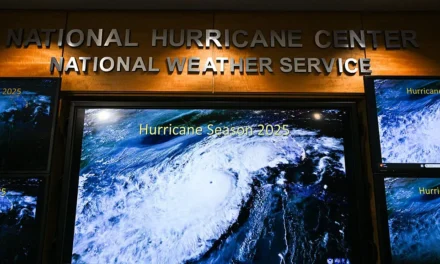
While cuts to NOAA would substantially harm the agency’s work, the proposed “savings” of $1.6 billion is equivalent to the costs of 1.3 days of the war on Iran.
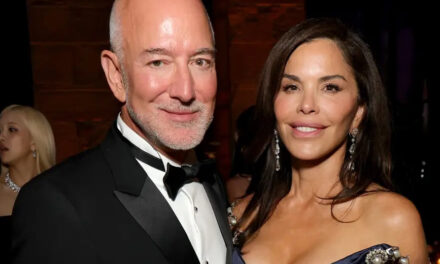
The New York Times had a hot take on the Met Gala: Criticism that it’s a tone-deaf celebration of wealth and celebrity is just resentment.

Corporate media downplay or ignore the white nationalism, regressive gender ideals and economic inequality driving the “pronatalist” narrative.
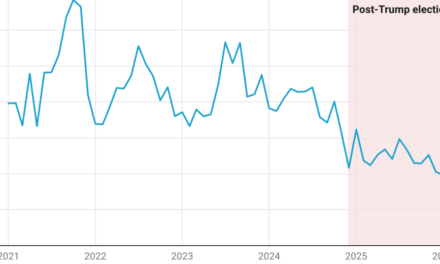
The scientific consensus that we need to phase out fossil fuels fast has not changed, but coverage about climate change in US news outlets has plunged.

The Trump administration’s words and deeds have created a climate of fear in the United States that political cartoonists are feeling.

The New York Times’ lack of on-the-ground coverage in Iran has directly resulted in slower coverage and confirmation of US/Israel culpability for deadly strikes.
The FTC’s intervention against media criticism outfits comes from the same censorious impulse that weaponized the Trump FCC to stifle criticism.
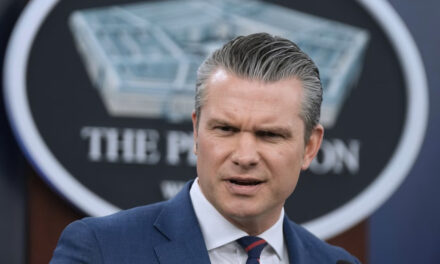
As the US and Israel’s war on Iran continues to worsen, Hegseth’s attacks on the media have also escalated.

Putting the interests of capital writ large above all else is the Big Three’s job.

US corporate media tend to humanize Iranians only when they can be portrayed as victims of their own government.

AP tells us in bold letters, “There are many questions about how the board will work.” That implies that AP will be asking them, or care about the answers.
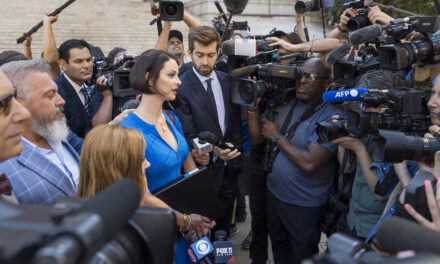
Most elite media coverage has focused not on Epstein’s victims, but on the lifestyles of Jeffrey Epstein and his rich and famous friends.
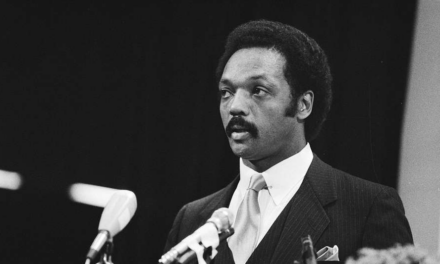
The Rev. Jesse Jackson’s kind of politics terrified an elite that thrives on keeping the 99 Percent divided and conquered.
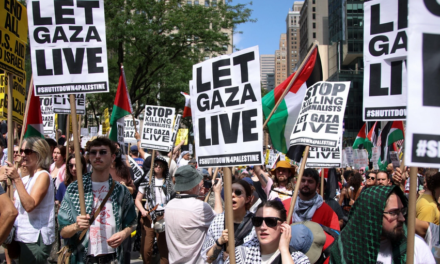
The Zionist media narrative is looking for the culprits who have apparently miseducated our youth, turning them not just into Israel critics, but Jew haters.

Even when you have examples of people being shot down on video by federal agents, the paper has to pretend there’s a valid case for justifying murder.
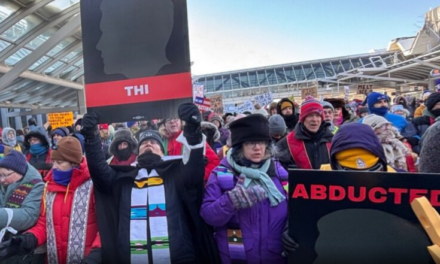
It’s not clear whether corporate media know they’re writing themselves a resignation letter, but they are.

We have a social media oligarchy that is now working directly in the interests of the Trump administration’s national police state.

If US media habitually placed the news in political context, claims of US and Israeli intervention in Iran would hardly be regarded as dubious.
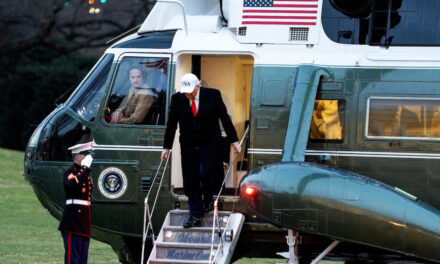
Three days after its editorial fretting about the deficit, the Washington Post applauded Trump’s proposal to increase military spending by 50%.

